Daylight Savings Time 2026: Dates, Tips, and Everything to Know
Have you ever woken up feeling like you missed a whole hour of your life? Well, that is exactly what happens every spring! We are here to talk about daylight savings time 2026 and what it means for you. Adjusting our clocks can feel like a tiny bit of time travel. It affects when we eat, when we sleep, and how much sun we see after school or work.
In this guide, we will answer the big question: when is daylight savings time 2026? We want to make sure you are ready so you don’t show up late for a big game or an early breakfast. We will look at the dates, the history, and even some fun ways to help your body adjust to the change. Let’s dive in and get our clocks ready!
Important Dates for Your Calendar
If you are asking when is daylight savings time 2026, you aren’t alone! Most people need a reminder every year. In 2026, the first big change happens in March. We call this “Spring Forward” because we move the clock hands ahead. Later in the year, we have “Fall Back” in November. This is when we move the clocks back and get an extra hour of sleep.
| Event | Date in 2026 | What to Do |
| DST Starts | Sunday, March 8 | Set clocks forward 1 hour |
| DST Ends | Sunday, November 1 | Set clocks back 1 hour |
When Does Daylight Savings Time Start in 2026?
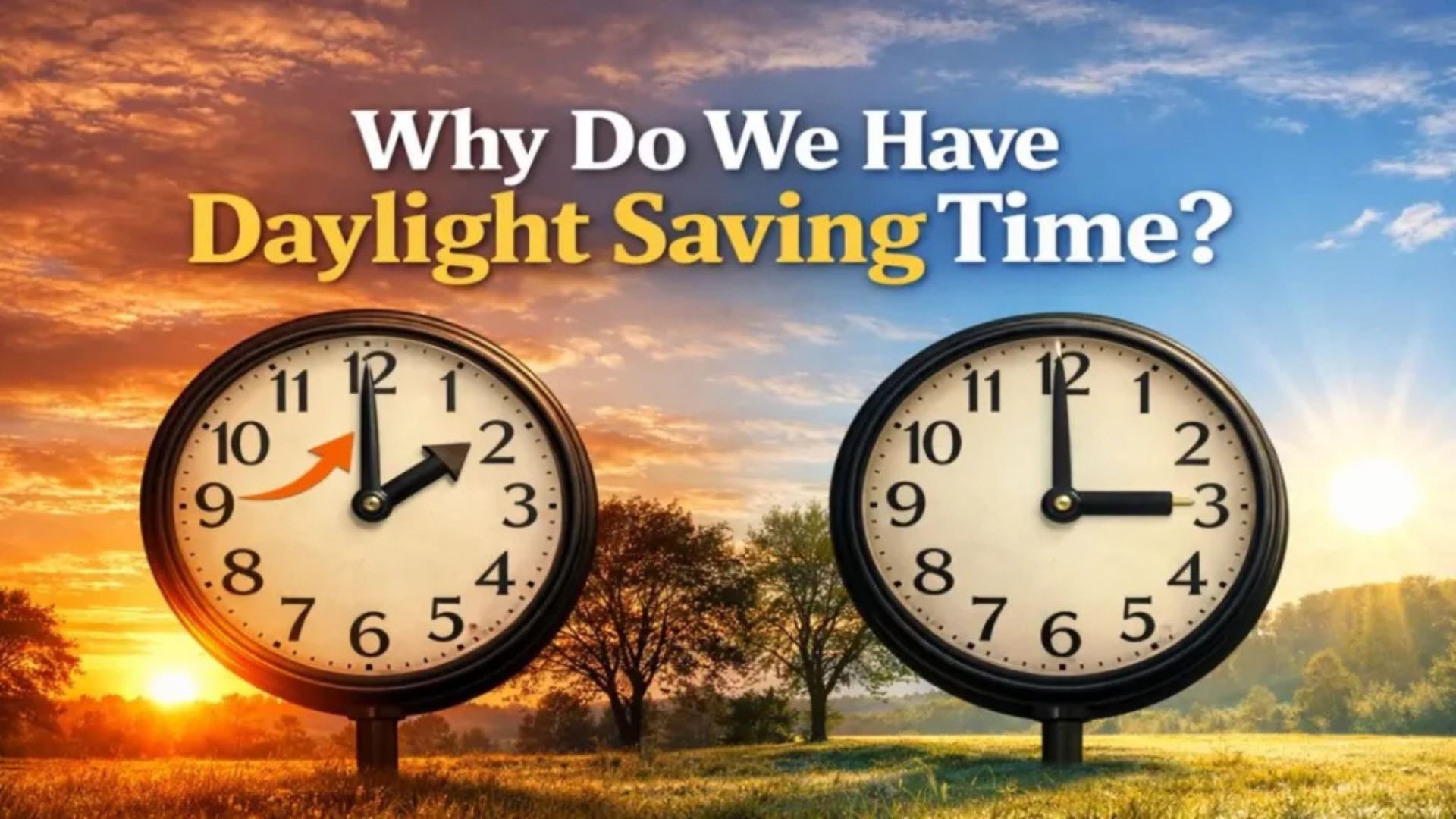
So, when does daylight savings time start in 2026? Mark your calendars for Sunday, March 8, 2026. At exactly 2:00 a.m., the clocks will jump forward to 3:00 a.m. This means the hour between 2:00 and 3:00 simply vanishes! Most of us are asleep when this happens, but you will definitely notice it when the sun stays out longer on Sunday evening.
Knowing when does daylight savings time start 2026 helps you plan your weekend. Since we lose an hour of sleep, you might feel a little tired on Monday. It is a good idea to go to bed 30 minutes earlier on Saturday night. This helps your brain and body stay happy even though the time is changing.
When Does Daylight Savings Time End in 2026?
The sun starts setting earlier as we get close to winter. That is when does daylight savings time end in 2026. This year, the change happens on Sunday, November 1, 2026. At 2:00 a.m., the clocks will move back to 1:00 a.m. This is the “Fall Back” part that everyone loves because we get one extra hour of cozy sleep!
When you know when does daylight savings time end 2026, you can prepare for the shorter days. The evenings will get dark much faster after this date. It is the perfect time to check the batteries in your smoke detectors. Many people use this day as a reminder to keep their homes safe while they adjust their kitchen and car clocks.
Why Do We Still Use Daylight Saving Time 2026?
The main reason for daylight saving time 2026 is to make better use of the sun. Back in the old days, people wanted to save money on candles and coal. By moving the clocks, we have more light in the evening during the summer. This means we don’t have to turn on our lights as early, which can save energy.
Even though we have light bulbs now, many people still like daylight savings time 2026. It gives us more time to play outside, go for walks, or have a BBQ after work. Some experts say it helps the economy because people go shopping more when it is light outside. However, some farmers and doctors wish we would just pick one time and stay there!
Who Doesn’t Participate in the Time Change?
Not everyone in the world follows daylight savings time 2026. In the United States, Hawaii and most of Arizona stay on the same time all year. They don’t need to save daylight because they already have plenty of sun! Some territories like Puerto Rico and Guam also skip the clock change.
If you travel to these places, you have to be careful with your watch! It can be very confusing to call a friend in Phoenix when you aren’t sure if they are three hours behind or only two. In Canada, some parts of Saskatchewan also choose to keep their clocks the same. It is always smart to check the local time before you make a long-distance call.
Tips to Handle the “Spring Forward” Energy
Losing an hour during daylight savings time 2026 can be tough on kids and pets. Our bodies have an internal clock called a circadian rhythm. When the sun and the clock don’t match, we feel “social jet lag.” You might feel grumpy or have a hard time focusing at school the next day.
To beat the “spring forward” blues, try to get some bright sunlight as soon as you wake up on Sunday. Open the curtains or step outside for five minutes. This tells your brain that it is time to be awake! Also, try to avoid big meals right before bed. A calm evening will help you fall asleep faster even if your body thinks it is an hour earlier.
The History of the Big Clock Shift
Did you know that Benjamin Franklin once joked about waking up earlier to save money? He didn’t invent daylight savings time 2026, but he had the right idea! The practice actually started during World War I. Germany was the first country to change the clocks to save fuel for the war effort.
Soon, the United States and many other countries followed. Over the years, the dates have changed many times. Today, the law says we start on the second Sunday of March and end on the first Sunday of November. This gives us many months of “extra” evening sun to enjoy our beautiful summer days.
Is the Time Change Going Away Soon?
You might have heard people talking about “locking the clock.” There is a bill called the Sunshine Protection Act. If it passes, we would stay on daylight saving time 2026 forever! This means we would never have to “fall back” again. We would have bright evenings all year long, even in the middle of winter.
However, this is still being debated. Some people prefer permanent Standard Time instead. They worry that permanent daylight time would make it too dark for kids walking to school in the morning. For now, we still have to change our clocks twice a year. We will have to wait and see what the leaders decide for the future!
Safety Reminders for the Time Change
When daylight savings time 2026 arrives, it is a great time to do some “home chores.” Since you are already walking around the house changing clocks, you should check your safety gear. Many fire departments suggest changing the batteries in your smoke and carbon monoxide detectors on these days.
It is also a good time to check your emergency kit. Do you have fresh water and flashlights? Since the time change can make people a little sleepy, be extra careful while driving on the Monday after the switch. Everyone is a little more tired than usual, so give yourself extra time to get where you are going.
Fun Facts About Changing the Clocks
Did you know that many people say “Daylight Savings” with an ‘S’ at the end? The real name is actually Daylight Saving Time 2026 (no ‘S’!). Also, did you know that the time change doesn’t actually “save” any time? There are always 24 hours in a day. We just move them around like pieces of a puzzle.
Another fun fact: In 1918, the United States had five different time zones for the first time because of the new time laws. Today, computers and cell phones change the time automatically. But back then, people had to remember to wind their watches by hand! It was a much bigger job to keep everyone on the same schedule.
FAQs
1. When is daylight savings time 2026 for the United States?
It starts on Sunday, March 8, 2026, and it ends on Sunday, November 1, 2026.
2. Do I move my clock forward or backward in March?
In March, you “spring forward” by moving your clock ahead one hour.
3. What time does the clock actually change?
The change happens at 2:00 a.m. local time. This is when the time jumps to 3:00 a.m. in the spring.
4. Does every state change their clocks?
No, Hawaii and most of Arizona stay on Standard Time all year and do not change.
5. Why do we change the clocks at 2:00 a.m.?
This time was chosen because most people are at home and most businesses are closed, so it causes the least trouble.
6. Will we ever stop changing the clocks?
There are laws being discussed to stop the change, but for 2026, we are still switching twice a year!
Conclusion: Get Ready for the Change!
Now you are an expert on daylight savings time 2026! Whether you love the extra sun or hate losing the sleep, the change is coming. Remember to check your manual clocks on Saturday night, March 7th. By being prepared, you can make the transition smooth and enjoy those long, sunny spring evenings.
Don’t forget to tell your friends when is daylight savings time 2026 so they aren’t late for your next hangout! It’s a small change that makes a big difference in our daily lives. Enjoy the extra sunshine, and don’t forget to catch up on your sleep!